Servo System Cam Control for Rotary Filling Machines: Enhancing Precision and Efficiency
Servo system are revolutionizing the operation of rotary filling machines, providing unparalleled precision and control. With cam control technology, these machines achieve seamless synchronization between components, ensuring consistent performance across production cycles. This guide explores the integration of servo systems into rotary filling applications, detailing their benefits and functionalities.

-
Mitsubishi Electric Solution – Labeling systems Part 1/2
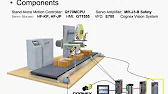
Mitsubishi Electric Solution for Labeling systems Explore Mitsubishi Electric’s innovative solutions for labeling systems, tailored to enhance efficiency and precision…
-
Mitsubishi Electric Solution – Labeling systems Part 2/2
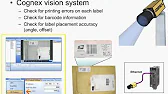
Mitsubishi Electric Solution for Labeling systems Explore Mitsubishi Electric’s innovative solutions for labeling systems, tailored to enhance efficiency and precision…
-
Servo System Cam Control Rotary Filling Machines
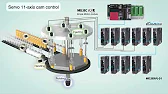
Servo System Cam Control for Rotary Filling Machines: Enhancing Precision and Efficiency Servo system are revolutionizing the operation of rotary…
What is Cam Control in Servo Systems?
Cam control in servo systems simulates mechanical cams using software-based virtual cams. This approach:
- Synchronizes multiple axes in real time.
- Ensures precise motion profiles for complex operations.
- Adapts dynamically to changes in speed or load.
Applications of Servo system in Rotary Filling Machines
1. High-Speed Filling
Servo-driven cam control ensures precise timing for filling operations. It adjusts the nozzle’s motion to match the rotary table’s speed, eliminating spillage and maximizing throughput.
2. Multi-Station Coordination
In rotary systems, multiple stations handle tasks like filling, capping, and labeling. Servo systems synchronize these stations, maintaining consistent product quality across the assembly line.
3. Flexibility and Adaptability of Servo system in Filling Machines
Servo systems allow quick adjustments for different product sizes, fill volumes, and container shapes without mechanical modifications. This versatility reduces downtime and enhances operational efficiency.
Key Features of Servo system Rotary Filling Machines
Precision Motion Control
- Real-time synchronization ensures smooth transitions between filling phases.
- Accurate cam profiles minimize wear and tear compared to mechanical cams.
Dynamic Adjustments
- Easy to update parameters via software.
- Handle variable production speeds seamlessly.
Energy Efficiency
- Servo motors optimize energy usage, reducing operational costs.
Improved Maintenance
- Virtual cam technology eliminates mechanical components, reducing maintenance demands and extending equipment lifespan.
How to Implement Servo Cam Control for Rotary Fillers
- System Configuration:
- Select appropriate servo drives and motors based on load requirements.
- Use advanced controllers like Mitsubishi’s MR-J4 series for precise motion control.
- Programming the Cam Profile:
- Define the motion curve using tools like MR Configurator2.
- Simulate and test the profile before deployment.
- Integration with Sensors:
- Install sensors to detect bottle positions and ensure correct alignment.
- Synchronize input from sensors with servo motors for precise operation.
- Testing and Fine-Tuning:
- Run test cycles to ensure smooth synchronization between filling heads and the rotary table.
- Optimize parameters for speed and accuracy.
Benefits of Servo system Cam Control in Rotary Filling Machine
- Enhanced Product Quality: Precise motion control eliminates inconsistencies in filling volume.
- Increased Throughput: High-speed synchronization improves production rates without compromising quality.
- Reduced Maintenance Costs: Virtual cams reduce mechanical wear, cutting long-term maintenance expenses.
- Scalability: Easily adaptable to different production needs, supporting both small batches and large-scale manufacturing.
Real-World Applications
Servo cam control is widely used in industries such as:
- Food & Beverage: Filling bottles, cans, or pouches with liquids or semi-liquids.
- Pharmaceuticals: Ensuring precise dosage in liquid medicine packaging.
- Cosmetics: Handling delicate and viscous products in various container shapes.
Conclusion
Integrating servo cam control into rotary filling machines represents a significant step toward efficient, reliable, and scalable production systems. By leveraging Mitsubishi Electric’s advanced servo technology, businesses can achieve higher precision, reduced downtime, and adaptable operations, ensuring a competitive edge in the market.